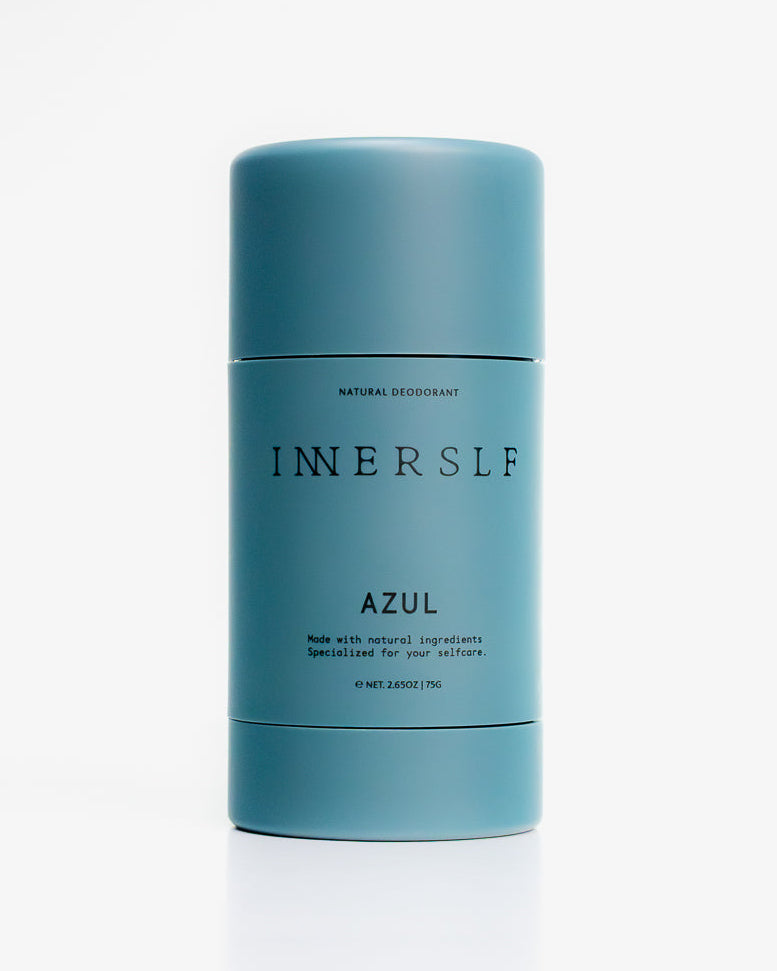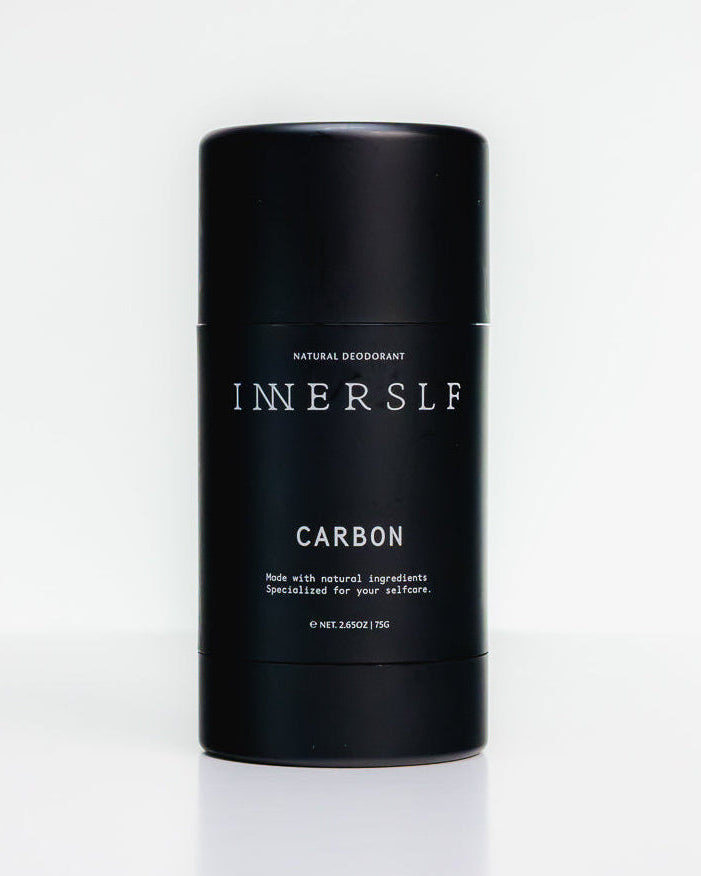
Somewhere along the way, beef tallow became skincare's most divisive ingredient. To its devotees, it's ancestral perfection. To its skeptics, it's greasy hype in a mason jar. We put it in our deodorant — unapologetically — so let's settle this honestly: what does tallow actually do for skin?
What tallow is
Tallow is rendered beef fat — purified, cleaned, and refined from suet. Before petroleum jelly existed, it was the base of nearly every skin preparation an apothecary made: salves, balms, creams. This isn't a new discovery. It's a very old one that got interrupted by the petroleum age.
Why skin likes it
Here's the part that's genuinely well-grounded: tallow's fatty acid profile resembles human skin's own lipids. It's rich in oleic and stearic acids, plus fat-soluble vitamins A, D, E, and K. That similarity matters — ingredients compatible with your skin's natural composition tend to absorb well and sit comfortably, rather than sitting on top or causing drama.
In practice, that means:
Moisture barrier support. Tallow is occlusive in the good way — it helps hold moisture in the skin rather than letting it escape. For underarms dealing with shaving, friction, and daily product application, that barrier support is doing real work.
Glide and feel. In a deodorant stick, tallow gives the formula its luxurious application — the smooth, non-dragging glide that makes thirty seconds feel like a ceremony instead of a chore. Texture is not vanity; it's the difference between a ritual you keep and one you abandon.
Scent carriage. Fat carries fragrance. This is perfumery 101 — scent molecules dissolve in lipids and release slowly. Tallow in the base means the botanical scent (blue tansy, geranium, eucalyptus, peppermint) blooms on the skin over hours instead of flashing off in minutes.
The honest caveats
It's not magic. Tallow won't transform your skin overnight, and anyone selling it as a miracle is selling something. It's an excellent emollient with a great compatibility story — not a fountain of youth.
Quality varies. Not all tallow is equal. Source, rendering method, and purity matter enormously. Grass-fed, properly rendered, clean — that's the standard worth holding. Mystery fat in a mystery jar is a different conversation.
It's not for everyone. If you're vegan, tallow is a non-starter, and we respect that completely — we're not vegan and we don't pretend to be. Know your own lines.
Comedogenicity is individual. Tallow is generally considered low on the comedogenic scale, but skin is personal. Underarms aren't typically acne-prone territory, which is partly why it's such a natural fit there.
Why it's in our deodorant
We didn't add tallow to chase a trend — we added it because the formula needed what tallow does: glide, moisture barrier support, and scent that lives on the skin. The magnesium hydroxide handles odor. The arrowroot handles moisture. The tallow makes the whole thing feel like it belongs in a ritual.
"From nature to lab" isn't a slogan for us. It's the formulation philosophy: take what the apothecaries knew, refine it with what chemistry knows now, and don't apologize for either.
The bottom line
Is tallow good for skin? For most people, in a well-formulated product: yes — genuinely, un-hype-ily yes. It's compatible, it's effective, and it has centuries of use behind it. The internet will keep arguing about it. Your skin will keep score.
Trust the score. And if you want to feel what tallow does in a finished formula, it's in every INNERSLF stick — doing the quiet work under the scent.