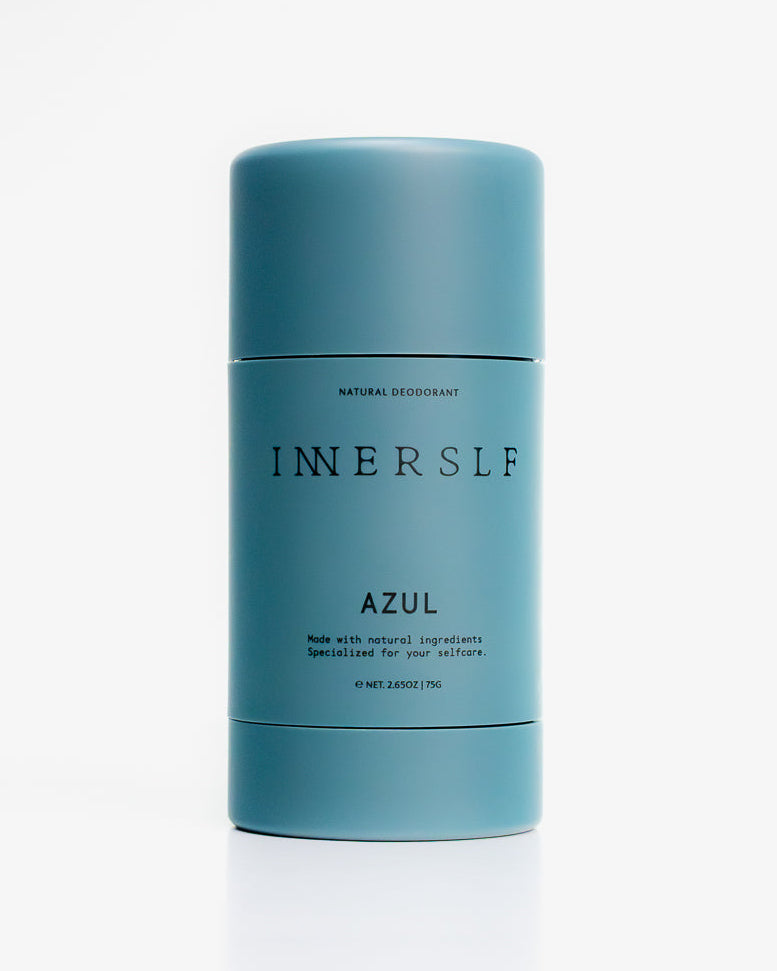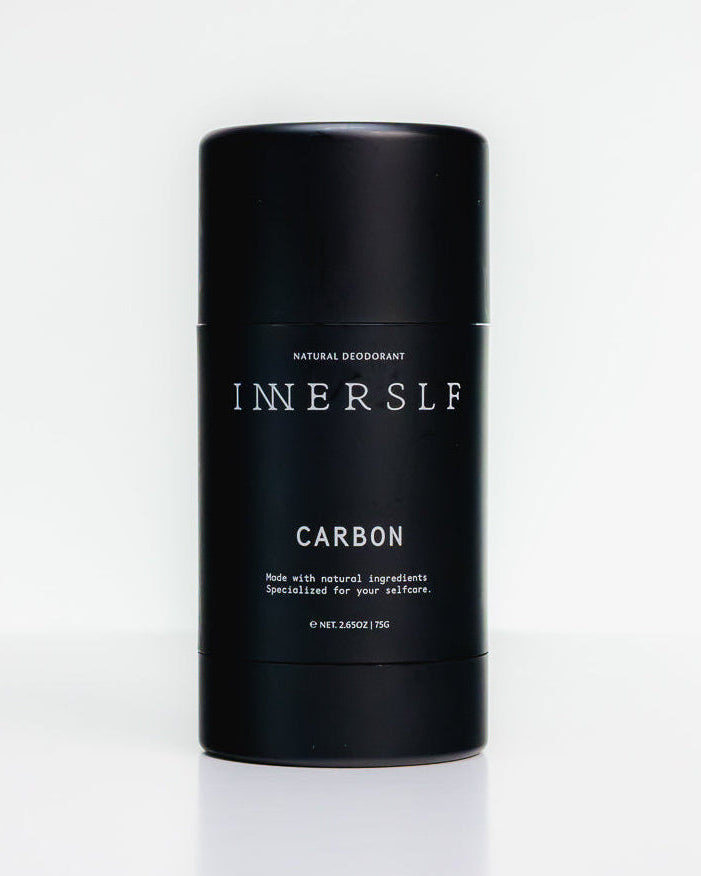
Let's address the ingredient that makes some people flinch: tallow. Rendered beef fat. In deodorant. On purpose.
Before you scroll away — the flinch is the point. Somewhere along the way, we decided that ingredients with a history were suspicious and ingredients invented in a lab last Tuesday were "clean." We'd like to respectfully disagree.
What tallow actually is
Tallow is rendered fat from cattle — traditionally from grass-fed animals — purified into a creamy, stable lipid. Humans have been making skin preparations with it for centuries. Before petroleum jelly, before mineral oil, before the entire synthetic skincare industry: tallow. Your great-grandmother's generation didn't find it exotic. They found it obvious.
Why skin loves it
Here's the part the lab coats confirm: tallow's fatty acid profile is remarkably similar to human sebum — the oil your own skin produces. Palmitic acid, stearic acid, oleic acid, in ratios your skin recognizes. That compatibility means:
It absorbs like it belongs there. No greasy film sitting on top, no waxy drag. Tallow melts at skin temperature and sinks in, carrying the rest of the formula with it.
It gives the glide. A deodorant stick lives or dies by its application — drag, skip, and tug are the enemies of ritual. Tallow is what makes our stick move across skin like it was designed to be there. Because it was.
It carries scent beautifully. Lipids hold fragrance compounds and release them slowly. That's why botanical scents in a tallow base unfold over hours instead of flashing bright and vanishing.
The honest trade
We're not vegan, and we don't market like we are. Tallow comes from animals, full stop. If that conflicts with your ethics, we respect that completely — there are excellent vegan deodorants out there, and you should use one with our blessing.
But we believe "natural" should mean honest about where things come from, not just what's trendy to exclude. Tallow is a whole, minimally processed, traditional ingredient. It outperforms most synthetic alternatives at the job. Using it is a choice made with eyes open.
Tallow vs. plant butters
The obvious question: why not shea butter, or cocoa butter? They're plant-based, popular, and nobody flinches at them.
They're good ingredients — we use plant oils in our formulas too. But butters have limitations tallow doesn't. Shea and cocoa butter are heavier, slower to absorb, and can feel waxy in a stick format. They sit on the skin more than they melt into it. In a deodorant — something worn all day in a warm, high-friction area — that difference matters.
Tallow's edge is biomimicry: because its lipid profile mirrors human sebum, skin accepts it almost without noticing. Less residue, less drag, better scent release. Plant butters nourish; tallow belongs. For a product whose entire job is to disappear into your day while working, belonging wins.
What about the smell?
The question everyone thinks but few ask: does tallow smell... beefy? Like a steakhouse under your arms?
No. Properly rendered and purified tallow is nearly odorless — a faint, clean fattiness at most, completely overwhelmed by the formula's botanical scent. The rendering process removes the proteins and impurities that carry meaty odor, leaving pure lipid. What remains is a neutral, stable base that lets blue tansy, geranium, eucalyptus, and peppermint do all the talking.
Your underarms will smell like a ritual. Not a roast.
From nature to lab
Our philosophy has always been "from nature to lab" — not "nature instead of lab." Tallow is the nature: centuries of apothecary wisdom, a lipid your skin already speaks. The lab is the precision: magnesium hydroxide neutralizing odor, arrowroot managing moisture, every ratio tested until the stick performs.
Old craft. Modern chemistry. No apology.
The new age apothecary doesn't fear the old ingredients. It remembers why they worked — and then makes them work better.