You made the switch. Clean ingredients, good intentions — and now your underarms are red, itchy, or burning. Betrayal is a strong word. But it fits.
Before you retreat to your old antiperspirant, let's diagnose. Irritation from natural deodorant almost always comes down to a handful of causes — and most are fixable.
Cause #1: Baking soda sensitivity
The most common culprit. Sodium bicarbonate is a workhorse odor neutralizer in many natural formulas — but it's alkaline, and some skin simply objects. The result: redness, itching, sometimes a rash that shows up hours after application.
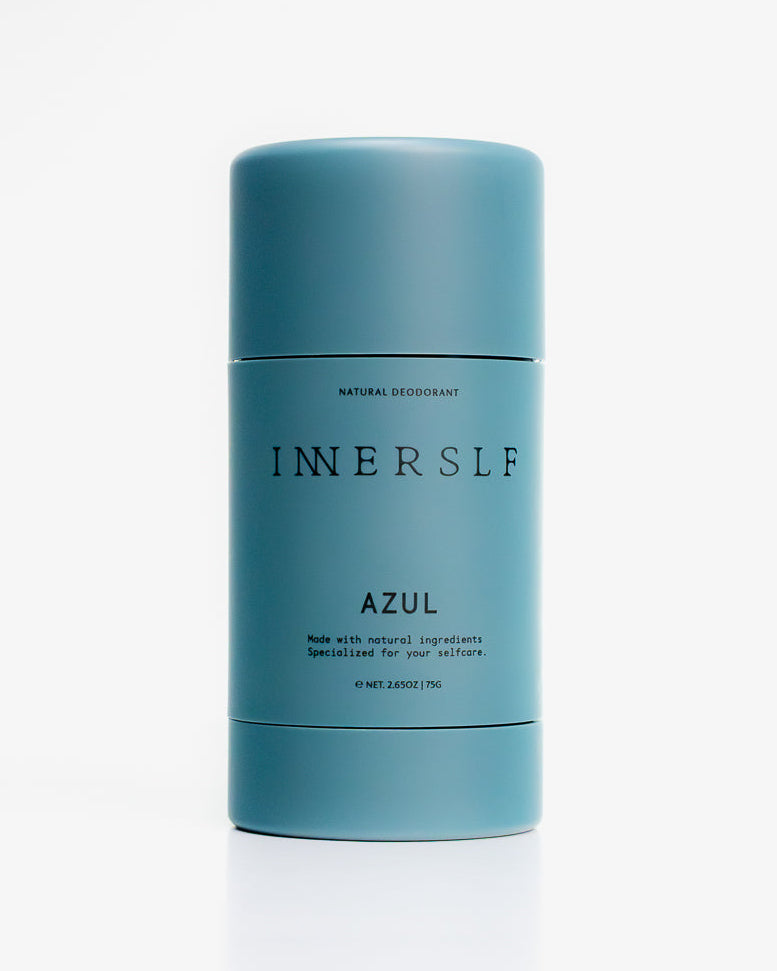
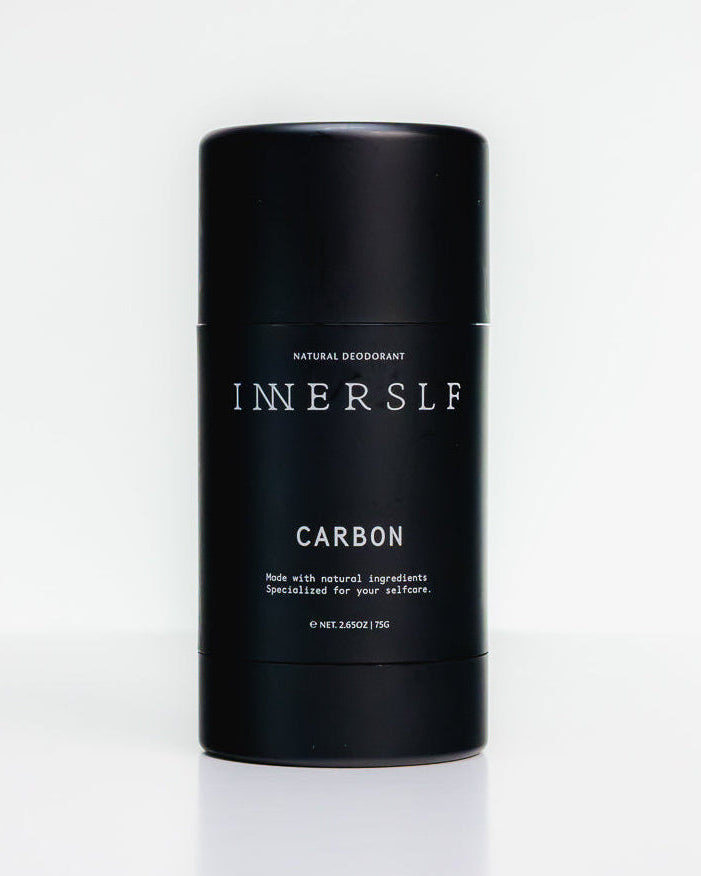
We'll be straight with you: our formula contains sodium bicarbonate. We won't claim otherwise, and we won't claim our deodorant suits every skin type. If you know you're baking-soda sensitive, read every label — including ours — before you commit.
The fix: look for formulas where baking soda isn't the primary odor fighter. Magnesium hydroxide, for example, neutralizes odor at a skin-friendlier pH. And whatever you choose, patch test first — inner forearm, 24 hours.
Cause #2: Too much product
More is not more. Piling on natural deodorant creates buildup that traps moisture and friction against the skin — a recipe for irritation that has nothing to do with the ingredients themselves.
The fix: two to three swipes. That's it. If you're reapplying five times a day, the problem is quantity, not chemistry.
Cause #3: Shaving then swiping
Freshly shaved underarms are micro-abraded skin. Applying any deodorant — natural or conventional — immediately after shaving is asking for a sting.
The fix: shave at night, apply in the morning. Give your skin those hours to recover. Your ritual will thank you.
Cause #4: Fragrance overload
"Natural fragrance" still means scent compounds on delicate skin. Essential oils at high concentrations can irritate, especially on underarms that are warm, moist, and friction-prone all day.
The fix: if irritation started with a new scent, try a simpler formula or a lighter application. Scent should be an accent, not an assault.
Cause #5: The transition itself
Sometimes it's not the product at all. When you stop using antiperspirant, sweat increases (that's the point — your body is resuming normal function), and more moisture plus friction can irritate skin that's still adjusting. This usually settles within a couple of weeks.
The fix: patience, breathable fabrics, and not over-applying to compensate.
The 48-hour reset
If your underarms are currently angry, stop everything and give them two days of peace:
Day one: warm water only. No deodorant, no product. Let the skin breathe and calm down. Wear loose, breathable fabric. This isn't neglect — it's triage.
Day two: still no deodorant in the morning. In the evening, a thin layer of something simple and soothing — plain coconut oil or aloe — if the skin feels dry or tight.
Day three: reintroduce deodorant with the corrected protocol. Two to three swipes, on completely dry skin, not after shaving. One variable at a time.
If irritation returns immediately with the same product, the formula is the problem — not your technique. That's useful data. Try a different formulation, ideally one built around magnesium hydroxide rather than baking soda, and patch test before committing.
If irritation returns with every product, see a dermatologist. Persistent underarm irritation can have causes no deodorant article can diagnose, and the temple deserves professional care when it asks for it.
Prevention as ritual
The best irritation is the one that never starts. Fold these into the routine and most causes never get a foothold:
Exfoliate weekly. A gentle scrub in the shower clears the dead skin and buildup that trap odor and breed friction. Clean canvas, calmer skin.
Moisturize the underarms. Yes, really. The underarm is skin — thin, hardworking skin. A light, fragrance-free moisturizer a few nights a week keeps the barrier resilient. Healthy barrier, fewer complaints.
Rotate with the seasons. Summer heat means more sweat and friction; winter dryness means a thirstier barrier. Adjust pressure and quantity with the weather, the way you'd adjust the rest of your skincare.
Care is prevention. The ritual isn't just the application — it's everything around it.
When to listen to your skin
Here's the honest edge: if a formula consistently irritates you, that's information, not failure. Skin is direct. It doesn't do politics. Try a different formula, adjust the ritual, and don't force what doesn't fit.
No deodorant — ours included — is right for every body. The goal was never to suffer beautifully. It was to find the ritual that lets you be at ease in your own skin.
Listen to the temple. It knows.