There's a specific betrayal in catching your own scent at 3 PM after a careful morning routine. You applied the deodorant. You did the thing. And yet — there it is.
Before you blame the stick, know this: most of the time, the deodorant isn't failing. Something around it is. Here's the lineup of usual suspects.
1. The formula doesn't match your chemistry
This is the big one. Body chemistry is genuinely individual — the bacteria living on your skin, how much you sweat, your diet, your stress levels. A formula that works beautifully for your partner might do nothing for you, because you're not neutralizing their bacteria.
Natural deodorants especially vary: baking-soda-forward, magnesium-led, charcoal-based, fragrance-masked. If yours isn't working after two honest weeks, the answer usually isn't "try harder" — it's "try different." The fix is a formula change, not a loyalty oath.
2. Your clothes are the problem, not your pits
Here's the one nobody suspects: odor-causing bacteria colonize fabric. That favorite shirt you've worn a hundred times? The underarm area can harbor bacteria that survive the wash, and the moment you warm up, they wake up — smelling like you at your worst, regardless of what's on your skin.
The test: does the smell seem to come from the shirt more than the skin? The fix: wash gym clothes and work shirts promptly, skip the fabric softener on them (it traps bacteria), and retire the shirt whose armpits have achieved independence.
3. You're applying it wrong
Two classic errors. Too much — a thick layer traps moisture and sits on the surface instead of working (we wrote the whole guide on this: two to three swipes is the dose). Too little — a single panicked swipe that misses half the territory. And the sleeper error: applying to damp skin, where nothing distributes evenly. Clean, dry, two to three swipes. The ritual has a choreography for a reason.
4. You're asking deodorant to do an antiperspirant's job
Honest distinction: deodorant manages odor; antiperspirant blocks sweat. If you're sweating heavily — workouts, heat waves, stress — and expecting a natural deodorant to keep you dry, you'll read the dampness as failure. It's not failure; it's physics. The formula is doing its job on odor. The moisture is yours to manage — with breathable fabrics, and the acceptance that sweat is not the enemy.
5. Stress sweat is a different animal
Your body makes two kinds of sweat, and the stress kind — from apocrine glands — is richer, thicker, and far smellier when bacteria get to it. Presentation at 2 PM, difficult conversation, traffic: that's not the same sweat as your morning jog. If the smell shows up on hard days specifically, it's the stress sweat talking. (We went deep on this one — it's worth the read.)
The diagnostic
Work through it in order:
- Smell the shirt, not just the skin. If the shirt's the source, it's laundry, not deodorant.
- Check your application. Clean, dry skin, two to three swipes. No more, no less.
- Give a new formula two weeks. One bad stick isn't a verdict on the category.
- Match the tool to the job. Odor is the deodorant's department. Dryness is a different department.
And if you've done all of it and something still isn't right — consider that your body might just be asking for a different chemistry. Magnesium-led formulas exist precisely for the people the standard ones failed. Sometimes the fix isn't trying harder. It's switching to the thing that was formulated for you all along.
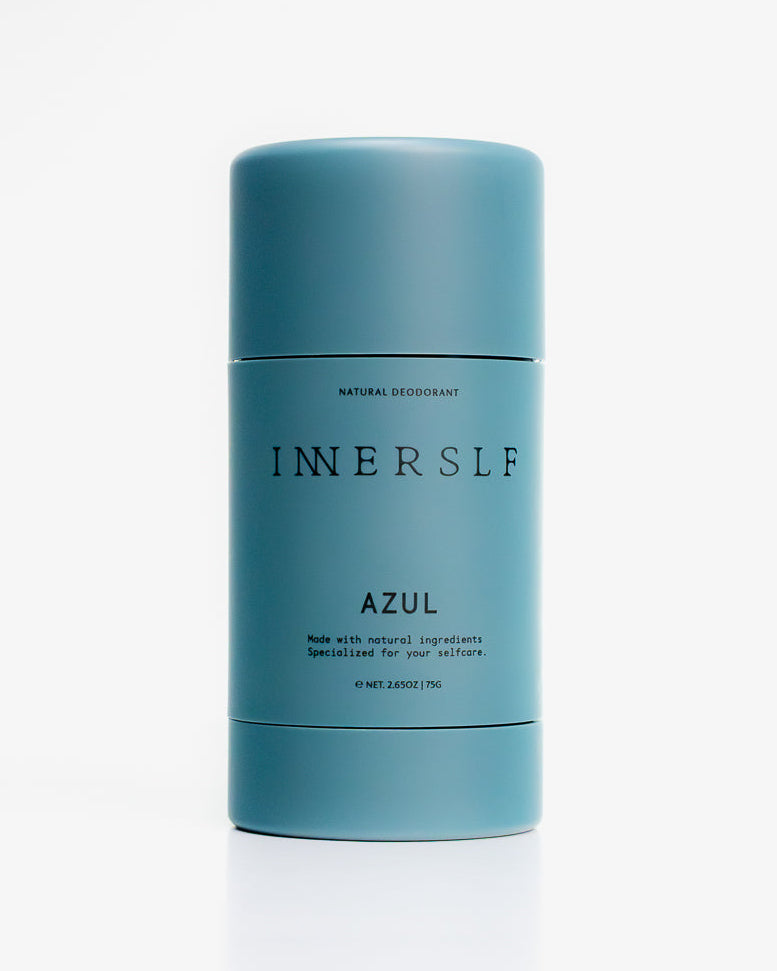
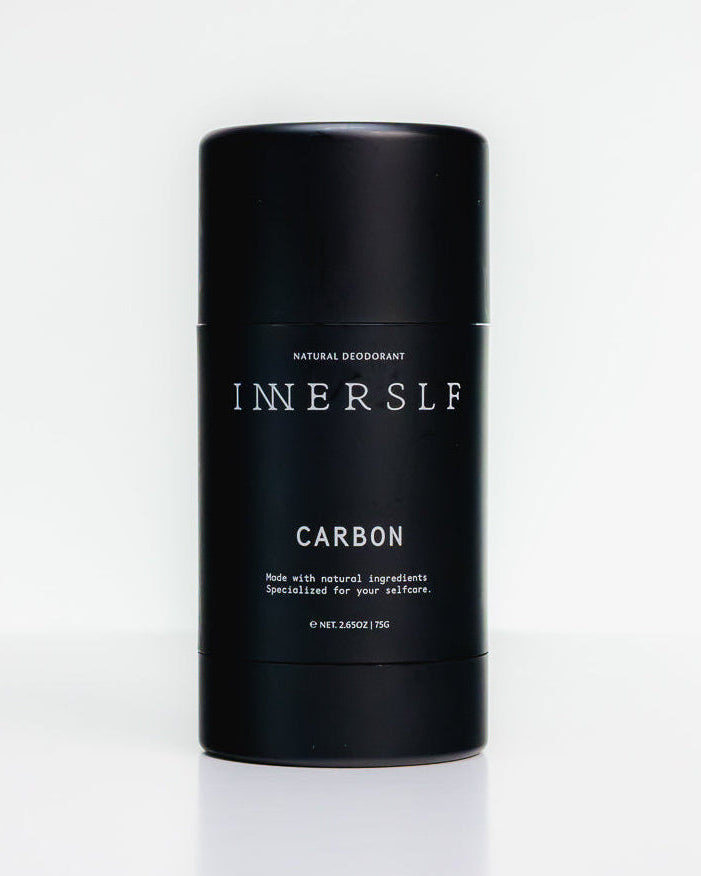
The ritual works. Make sure every part of it is pulling its weight. And if the chemistry needs to change, INNERSLF's magnesium-led formula was built for exactly that switch.